Buy meta-noia.eu ?
We are moving the project
meta-noia.eu .
Are you interested in purchasing the domain
meta-noia.eu ?
domain@kv-gmbh.de · 0541-91531010
Buy meta-noia.eu ?
When do you use the past perfect progressive and the past progressive?
The past perfect progressive is used to describe an action that was ongoing in the past before another action took place. For example, "She had been studying for hours before her friends arrived." On the other hand, the past progressive is used to describe an ongoing action in the past without reference to another action. For example, "She was studying when her friends arrived." Both tenses are used to provide context and clarity about the timing of events in the past. **
What is the difference between the Past Progressive and the Past Perfect Progressive?
The Past Progressive tense is used to describe an ongoing action that was happening in the past. It is formed by using the past tense of the verb "to be" (was/were) and the present participle of the main verb (e.g. "was running"). On the other hand, the Past Perfect Progressive tense is used to describe a continuous action that was happening in the past before another action took place. It is formed by using the past perfect tense of the verb "to be" (had been) and the present participle of the main verb (e.g. "had been running"). In summary, the Past Progressive describes an ongoing action in the past, while the Past Perfect Progressive describes a continuous action that had been happening before another action in the past. **

Similar search terms for Past Progressive
Top-Angebote
Products related to Past Progressive:
-
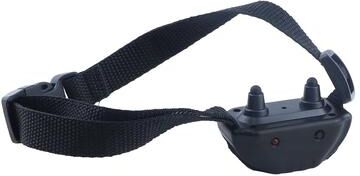
Inspired Deals Smart Anti Bark Dog Training Collar With Progressive Correction System Smart Anti Bark Dog Training Collar With Progressive Correction SystemCraft a calmer, more peaceful home with this dog barking control collar designed for pet owners who want effective yet controlled training. Built for consistency and safety, this collar uses smart sound detection to respond only to your dogs...39,97 $*Shipping: 0,00 $Secure redirect to the provider
-
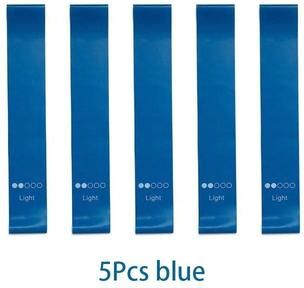
Uplifted Goods Progressive Tension Resistance Training System 5pcs BlueOptimize your muscular activation and flexibility with the Progressive Tension Resistance Training System. This professional grade fitness solution is developed with a specialized Multi Tier Elastic Matrix designed to provide a definitive, scalable...34,97 $*Shipping: 0,00 $Secure redirect to the provider
-
Uplifted Finds Progressive Training Anti Barking Safety Collar blueTake control of excessive barking with this intelligent, progressive training collar. Designed to discourage nuisance barking through a series of safe, humane audio and vibration cues, this device allows you to train your pet without the use of...56,97 $*Shipping: 0,00 $Secure redirect to the provider
-
Uplifted Goods Progressive Tension Resistance Training System 5pcs YellowOptimize your muscular activation and flexibility with the Progressive Tension Resistance Training System. This professional grade fitness solution is developed with a specialized Multi Tier Elastic Matrix designed to provide a definitive, scalable...34,97 $*Shipping: 0,00 $Secure redirect to the provider


-
What is the difference between Present Perfect Progressive and Past Perfect Progressive?
The Present Perfect Progressive is used to indicate an action that started in the past and is still ongoing or has just been completed. It is formed with the present tense of "have been" or "has been" and the present participle of the main verb. For example, "I have been working on this project for two hours." On the other hand, the Past Perfect Progressive is used to indicate an action that was ongoing in the past and was still ongoing or had just been completed before another action in the past. It is formed with the past tense of "had been" and the present participle of the main verb. For example, "She had been studying for hours before she finally took a break." In summary, the main difference between the two tenses is the time frame they refer to - the Present Perfect Progressive refers to ongoing actions from the past up to the present, while the Past Perfect Progressive refers to ongoing actions in the past up to a specific point in the past. **
-
When do you use Simple Past or Past Progressive?
Simple Past is used to describe completed actions or events in the past, while Past Progressive is used to describe actions that were in progress at a specific point in the past. Simple Past is often used for actions that happened at a specific time or for a specific duration, while Past Progressive is used for actions that were ongoing or interrupted by another action. Additionally, Past Progressive is often used to set the scene or provide background information in a narrative. **
-
What is the so-called Past Progressive?
The Past Progressive, also known as the past continuous, is a verb tense used to describe an ongoing action that was happening in the past at a specific point in time. It is formed by using the past tense of the verb "to be" (was/were) and the present participle of the main verb (-ing form). For example, "I was studying when the phone rang." This tense is used to provide background information or to describe an action that was in progress at a particular moment in the past. **
-
What is the difference between Past Perfect and Past Progressive?
The Past Perfect tense is used to show that an action was completed before another action took place in the past. It is formed by using the auxiliary verb "had" followed by the past participle of the main verb. For example, "She had already finished her homework when her friends arrived." On the other hand, the Past Progressive tense is used to show that an action was ongoing or in progress at a specific point in the past. It is formed by using the past tense of the verb "to be" (was/were) followed by the present participle of the main verb. For example, "She was studying when her friends arrived." In summary, the Past Perfect tense is used to show the completion of an action before another action in the past, while the Past Progressive tense is used to show an ongoing action at a specific point in the past. **


What is the difference between Simple Past and Past Progressive?
The Simple Past tense is used to describe an action that happened at a specific point in the past and is now completed. For example, "I ate dinner at 6 pm." On the other hand, the Past Progressive tense is used to describe an action that was ongoing or in progress at a specific point in the past. For example, "I was eating dinner at 6 pm." The Past Progressive tense emphasizes the ongoing nature of the action, while the Simple Past tense simply states that the action occurred. **
Should I use the past simple or the past progressive?
The choice between using the past simple or the past progressive depends on the specific context and the action being described. The past simple is used to describe completed actions in the past, while the past progressive is used to describe actions that were ongoing or in progress at a specific point in the past. If the action is a single, completed event, the past simple is appropriate. If the action was ongoing or in progress at a specific time in the past, the past progressive is the better choice. **
Top-Angebote
Products related to Past Progressive:
-
Topicrem Uh Progressive Tan 200mLA skin-care product for dry or dehydrated skin. It a care for sensitive or dry skin looking for a natural tan effect. Nourishes and protects - Beeswax. Suitable for sensitive and dry skin, with a creamy and fluid texture, being absorbed quickly, without leaving spots. Apply at night through a gentle massage.15,12 £*Shipping: 7,11 £Secure redirect to the provider
-
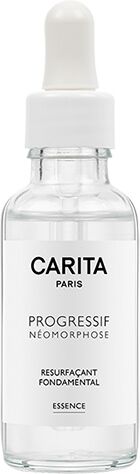
Carita Progressive Neomorphose Fundamental Resurfacing Micro Essence 3Enriched with fruit acids, salicylic acid and glycolic acid, Carita Fundamental Resurfacing Micro-Peel Essence reduces imperfections, uniforms the complexion and improves visibility of skin quality. This unique formula essence, brings to the skin without high-precision peeling at different levels of its surface. Key benefits: Fruit acids to remove impurities on the skin surface. Salycilic acid to refine skin texture. Ingredients:AQUA / WATER - ALCOHOL DENAT. - HYDROXYETHYLPIPERAZINE ETHANE SULFONIC ACID - GLYCOLIC ACID - DIISOPROPYL ADIPATE - PROPYLENE GLYCOL - PENTYLENE GLYCOL - CITRIC ACID - PEG-30 GLYCERYL COCOATE - CAPRYLOYL SALICYLIC ACID - POLYQUATERNIUM-10 - SODIUM HYDROXIDE - PPG-26-BUTETH-26 - PEG-40 HYDROGENATED CASTOR OIL - p-ANISIC ACID - TETRASODIUM EDTA.90,00 £*Shipping: 0,00 £Secure redirect to the provider
-
Inspired Deals Smart Anti Bark Dog Training Collar With Progressive Correction System Smart Anti Bark Dog Training Collar With Progressive Correction SystemCraft a calmer, more peaceful home with this dog barking control collar designed for pet owners who want effective yet controlled training. Built for consistency and safety, this collar uses smart sound detection to respond only to your dogs...39,97 $*Shipping: 0,00 $Secure redirect to the provider
-
Uplifted Goods Progressive Tension Resistance Training System 5pcs BlueOptimize your muscular activation and flexibility with the Progressive Tension Resistance Training System. This professional grade fitness solution is developed with a specialized Multi Tier Elastic Matrix designed to provide a definitive, scalable...34,97 $*Shipping: 0,00 $Secure redirect to the provider
-
When do you use the past perfect progressive and the past progressive?
The past perfect progressive is used to describe an action that was ongoing in the past before another action took place. For example, "She had been studying for hours before her friends arrived." On the other hand, the past progressive is used to describe an ongoing action in the past without reference to another action. For example, "She was studying when her friends arrived." Both tenses are used to provide context and clarity about the timing of events in the past. **
-
What is the difference between the Past Progressive and the Past Perfect Progressive?
The Past Progressive tense is used to describe an ongoing action that was happening in the past. It is formed by using the past tense of the verb "to be" (was/were) and the present participle of the main verb (e.g. "was running"). On the other hand, the Past Perfect Progressive tense is used to describe a continuous action that was happening in the past before another action took place. It is formed by using the past perfect tense of the verb "to be" (had been) and the present participle of the main verb (e.g. "had been running"). In summary, the Past Progressive describes an ongoing action in the past, while the Past Perfect Progressive describes a continuous action that had been happening before another action in the past. **
-
What is the difference between Present Perfect Progressive and Past Perfect Progressive?
The Present Perfect Progressive is used to indicate an action that started in the past and is still ongoing or has just been completed. It is formed with the present tense of "have been" or "has been" and the present participle of the main verb. For example, "I have been working on this project for two hours." On the other hand, the Past Perfect Progressive is used to indicate an action that was ongoing in the past and was still ongoing or had just been completed before another action in the past. It is formed with the past tense of "had been" and the present participle of the main verb. For example, "She had been studying for hours before she finally took a break." In summary, the main difference between the two tenses is the time frame they refer to - the Present Perfect Progressive refers to ongoing actions from the past up to the present, while the Past Perfect Progressive refers to ongoing actions in the past up to a specific point in the past. **
-
When do you use Simple Past or Past Progressive?
Simple Past is used to describe completed actions or events in the past, while Past Progressive is used to describe actions that were in progress at a specific point in the past. Simple Past is often used for actions that happened at a specific time or for a specific duration, while Past Progressive is used for actions that were ongoing or interrupted by another action. Additionally, Past Progressive is often used to set the scene or provide background information in a narrative. **
Similar search terms for Past Progressive
-
Uplifted Finds Progressive Training Anti Barking Safety Collar blueTake control of excessive barking with this intelligent, progressive training collar. Designed to discourage nuisance barking through a series of safe, humane audio and vibration cues, this device allows you to train your pet without the use of...56,97 $*Shipping: 0,00 $Secure redirect to the provider
-
Uplifted Goods Progressive Tension Resistance Training System 5pcs YellowOptimize your muscular activation and flexibility with the Progressive Tension Resistance Training System. This professional grade fitness solution is developed with a specialized Multi Tier Elastic Matrix designed to provide a definitive, scalable...34,97 $*Shipping: 0,00 $Secure redirect to the provider
-
Uplifted Goods Progressive Tension Resistance Training System 5pcs BlackOptimize your muscular activation and flexibility with the Progressive Tension Resistance Training System. This professional grade fitness solution is developed with a specialized Multi Tier Elastic Matrix designed to provide a definitive, scalable...39,97 $*Shipping: 0,00 $Secure redirect to the provider
-
Uplifted Goods Progressive Tension Resistance Training System 5pcs SetOptimize your muscular activation and flexibility with the Progressive Tension Resistance Training System. This professional grade fitness solution is developed with a specialized Multi Tier Elastic Matrix designed to provide a definitive, scalable...34,97 $*Shipping: 0,00 $Secure redirect to the provider
-
What is the so-called Past Progressive?
The Past Progressive, also known as the past continuous, is a verb tense used to describe an ongoing action that was happening in the past at a specific point in time. It is formed by using the past tense of the verb "to be" (was/were) and the present participle of the main verb (-ing form). For example, "I was studying when the phone rang." This tense is used to provide background information or to describe an action that was in progress at a particular moment in the past. **
-
What is the difference between Past Perfect and Past Progressive?
The Past Perfect tense is used to show that an action was completed before another action took place in the past. It is formed by using the auxiliary verb "had" followed by the past participle of the main verb. For example, "She had already finished her homework when her friends arrived." On the other hand, the Past Progressive tense is used to show that an action was ongoing or in progress at a specific point in the past. It is formed by using the past tense of the verb "to be" (was/were) followed by the present participle of the main verb. For example, "She was studying when her friends arrived." In summary, the Past Perfect tense is used to show the completion of an action before another action in the past, while the Past Progressive tense is used to show an ongoing action at a specific point in the past. **
-
What is the difference between Simple Past and Past Progressive?
The Simple Past tense is used to describe an action that happened at a specific point in the past and is now completed. For example, "I ate dinner at 6 pm." On the other hand, the Past Progressive tense is used to describe an action that was ongoing or in progress at a specific point in the past. For example, "I was eating dinner at 6 pm." The Past Progressive tense emphasizes the ongoing nature of the action, while the Simple Past tense simply states that the action occurred. **
-
Should I use the past simple or the past progressive?
The choice between using the past simple or the past progressive depends on the specific context and the action being described. The past simple is used to describe completed actions in the past, while the past progressive is used to describe actions that were ongoing or in progress at a specific point in the past. If the action is a single, completed event, the past simple is appropriate. If the action was ongoing or in progress at a specific time in the past, the past progressive is the better choice. **
* All prices are inclusive of VAT and, if applicable, plus shipping costs. The offer information is based on the details provided by the respective shop and is updated through automated processes. Real-time updates do not occur, so deviations can occur in individual cases. ** Note: Parts of this content were created by AI.